Ten stories reviewed 5-11 October 2026: what the scene leaves unsaid
Reviewed 2026-10-05 to 2026-10-11
These ten stories were analysed on 5-11 October 2026, using Prague dates, regardless of when the videos first took off. We selected from the ready reviews in order of repeatability score, then lift. The thread this week is context: a private thought, a practical question or a personal occasion gives an ordinary scene a reason to hold attention. Ten stories selected from the breakdowns saved that week, starting with remake chance, then growth. Each note explains what makes the idea useful. Dates refer to our review week in Prague, not when the video took off.
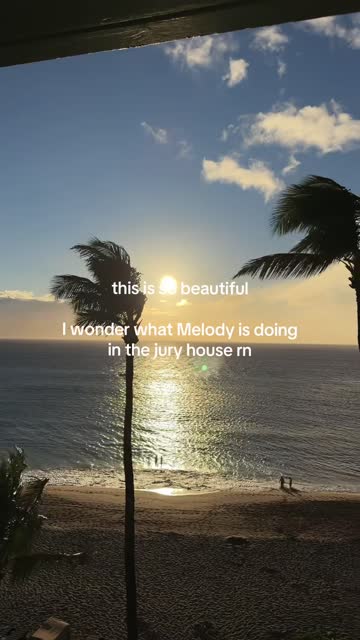 86 % remake chance
The scenery invites a moment of calm; the caption reveals that the creator is still thinking about the show. Borrow the split between the place someone is in and the thought they cannot leave behind. The useful lesson is how a very specific distraction turns a scenic clip into a confession fellow fans can recognise.
Details 82 % remake chance
The travel view draws people in, while a list of visa routes gives that attention a practical destination. Pair footage of a desired outcome with one clearly defined research question in a subject you know. This example earns its place because the information serves the aspiration already on screen, rather than interrupting it with an unrelated pitch.
Details 78 % remake chance
A drawing lets prospective builders consider how rooms fit together before hearing a sales pitch. The repeatable idea is to put the object of the decision in view and explain the choices it contains. Unlike a general claim about good design, a readable plan gives interested viewers details they can examine for themselves.
Details 75 % remake chance
A quiet cafe scene accompanies a difficult private thought about closeness. Its value as a format is the invitation to recognise a feeling without a long introduction. Use a small everyday action to make room for a carefully written observation; the viewer can read the emotional weight while the performance stays restrained.
Details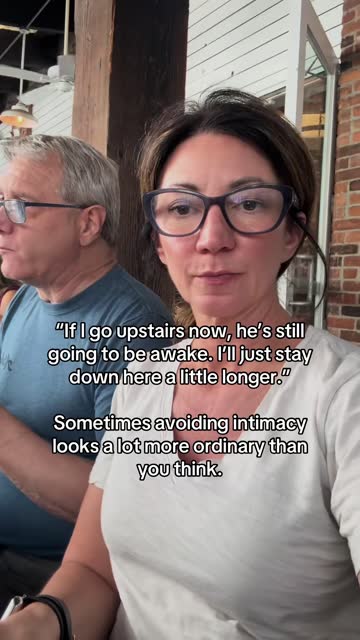 72 % remake chance
Slow sipping becomes a delaying tactic once the viewer reads the private thought about avoiding intimacy. The person beside the creator continues their own activity, making the viewer the confidant. For a new story, let a visible routine conceal a different motive. That gap gives an otherwise uneventful scene something for the audience to work out.
Details 68 % remake chance
The romantic caption promises a shared emotional moment, while the partner seems occupied with the room around him. That uneven participation gives the selfie its comic shape. Keep both perspectives visible in a remake: one person invests meaning in an occasion and the other treats it as ordinary. The relationship between them carries the joke.
Details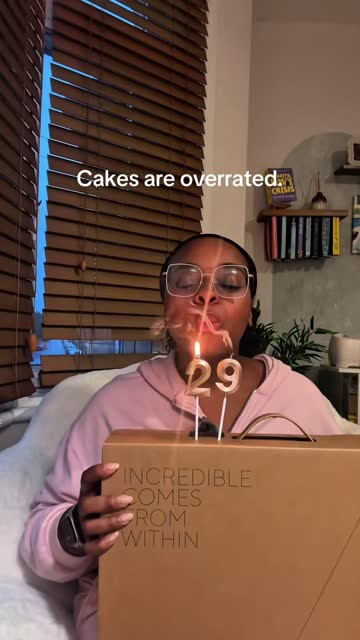 66 % remake chance
A familiar unboxing gets a personal reason to exist: the creator has chosen a computer as a birthday gift. The occasion makes the purchase a small story about priorities. Borrow the decision behind the object, rather than only the packaging reveal. It gives viewers something to agree with or debate even if they do not want that device.
Details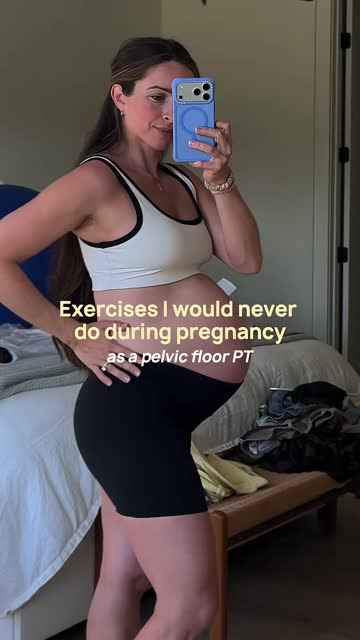 66 % remake chance
The creator presents an apparent list of things to avoid, then uses the demonstrations to reverse that expectation. Study the relationship between headline and evidence: each example changes how the opening reads. For an adaptation in a topic you can demonstrate, the reversal needs a clear payoff. The interest here is the teaching structure, rather than the individual exercise claims.
Details 65 % remake chance
The caption asks viewers to read physical effort as a feeling about life. That gives the changing poses a shared subject beyond exercise. Borrow the link between a visible action and an everyday emotion: a familiar activity can express frustration or relief without a spoken explanation. Here, the editing keeps that emotional comparison moving.
Details 62 % remake chance
The performance pushes a promise that everything will work out into comic excess. Big expressions make the caption feel like a character talking themselves through disorder, rather than a polished motivational slogan. The useful device is a mismatch of scale: a short, certain statement meets a visibly unruly reaction. A new version needs its own recognisable frustration to anchor it.
Details