Ten stories reviewed 12-18 October 2026: the moment that changes the scene
Reviewed 2026-10-12 to 2026-10-18
These ten stories were analysed on 12-18 October 2026, using Prague dates; this is not a calendar of when they became popular. The ready reviews are ordered by repeatability score, then lift. This selection looks at what gives a scene direction: a disputed rule, a changed reaction or a choice the viewer wants help understanding. Ten stories selected from the breakdowns saved that week, starting with remake chance, then growth. Each note explains what makes the idea useful. Dates refer to our review week in Prague, not when the video took off.
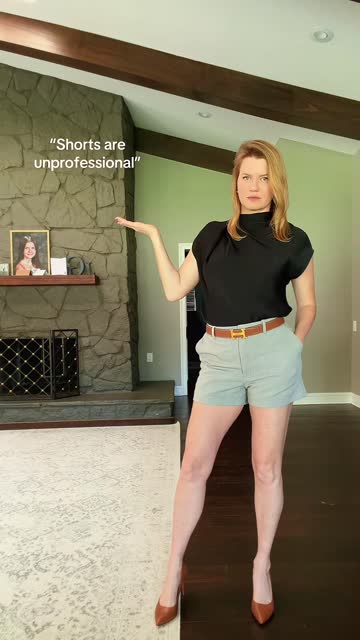 68 % remake chance
The creator answers a familiar objection by showing several looks in a consistent setting. That repetition lets viewers compare the clothes instead of decoding a new scene each time. Borrow the evidence-led structure: state one narrow assumption and let concrete examples challenge it. The styling becomes an argument people can judge with their own eyes.
Details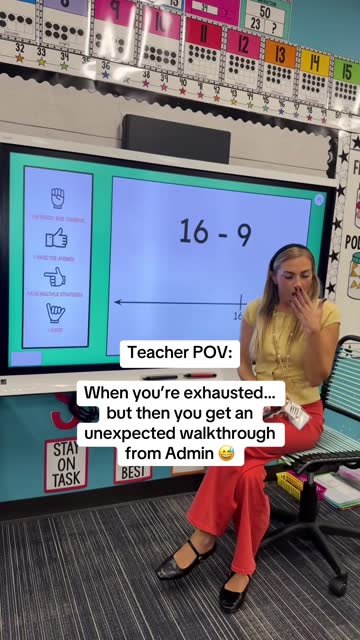 55 % remake chance
The lesson stays the same, but the teacher suddenly performs it for a different audience. Showing the observer makes the change understandable without a lengthy setup. For another workplace sketch, keep the task constant and change who is watching. The recognisable pressure to look capable makes the switch in behaviour carry the comedy.
Details 55 % remake chance
The opening establishes someone composed, so the increasingly extravagant movement feels like a release. The humour relies on the distance travelled from that first impression. Borrow the contrast in character, rather than the exact dance: a clear baseline gives a later burst of energy meaning. The continuous view keeps the transformation attached to the same person.
Details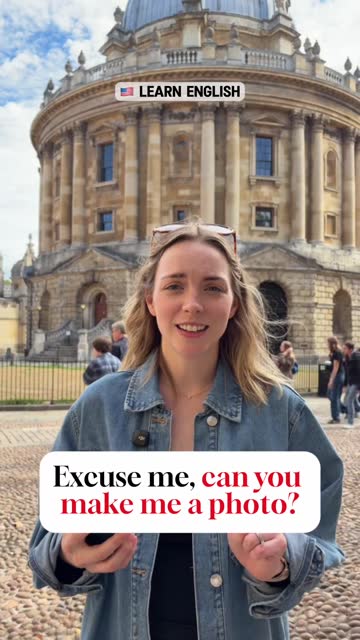 45 % remake chance
A request for a picture starts as a language lesson and ends with a visual disappointment. The second problem changes what the audience thought it was watching. For an original teaching sketch, let the useful correction lead into a separate everyday complication. This gives the lesson a story payoff without making the learner's mistake the whole joke.
Details 40 % remake chance
The demonstration has a second focal point in the upside-down reaction cutout. Viewers can watch the tool and the scepticism at once, so an ordinary kitchen test gains a small disagreement. Borrow the competing viewpoints: show what a product does while giving a character a reason to doubt it. The reaction should respond to the result the audience can see.
Details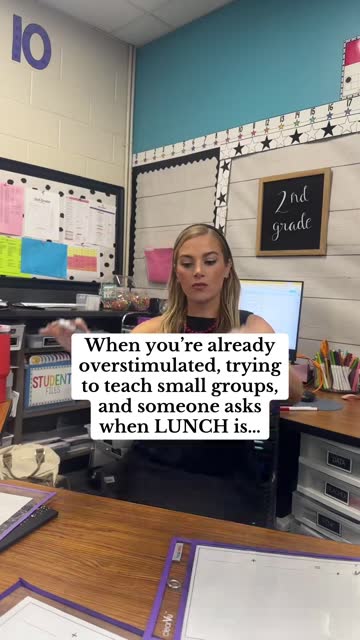 40 % remake chance
The classroom request is mundane, but the teacher's theatrical response is much bigger than the situation. That imbalance turns a familiar irritation into a performance of an inner reaction. Use an everyday interruption as the trigger for an obviously exaggerated character response. The shared experience supplies recognition; the excess supplies the joke.
Details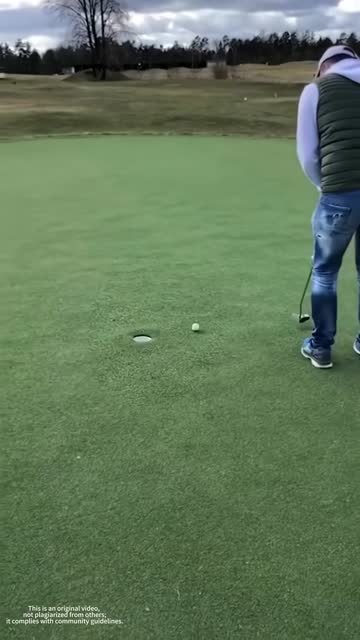 38 % remake chance
This montage makes the apparent mistake part of the eventual success. In the opening, frustration seems to finish the story until the ball drops and changes its meaning. Borrow that causal reversal in an original, harmless setup: let the audience understand the failure before discovering its useful consequence. The payoff comes from reassessing what they just saw.
Details 35 % remake chance
Naming the alternatives gives the viewer a defined decision to follow through the discussion. The reply feels addressed to someone choosing among real options, rather than to a general audience interested in cars. For your own comparison, start with the candidates already on the viewer's mind. That boundary makes each point easier to relate to a choice.
Details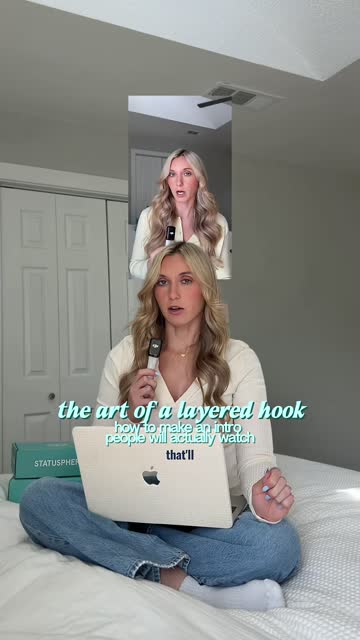 35 % remake chance
The creator compares versions of a video introduction and discusses how its presentation changes. Instead of asking viewers to accept an abstract rule about attention, the format offers a concrete example to examine. Borrow that visible revision process for a skill you teach: keep the example recognisable while showing what each change contributes. The improvement itself becomes the story.
Details 30 % remake chance
The creator frames the choice around living with a vehicle, rather than treating the model names as the whole question. This offers a different lesson from a broad shortlist: identify the buyer's main concern before weighing alternatives. In another subject, the same approach can make a comparison feel relevant because the reasoning starts with the person making the decision.
Details